Electric intercity operations involve more than tracking how much battery capacity remains after each journey. Traffic conditions, passenger loads, road gradients, driving behavior, and auxiliary power consumption can all change energy demand from one trip to another.
Without reliable operational data, fleet managers may struggle to identify why similar journeys produce different results. Telematics gives an EV coach fleet a way to connect vehicle information with operational decisions, while Yutong Bus works within the wider shift toward data-informed electric public transport.
Understanding the Role of Telematics in Energy Management
Telematics combines onboard vehicle data, positioning technology, and wireless communication to provide information about fleet activity. Depending on the vehicle’s equipment and connected platform, operators may be able to review location, speed, battery status, energy consumption, fault alerts, and driving patterns. These records offer a clearer picture of how vehicles perform beyond the depot.
Energy monitoring becomes particularly useful when data is viewed in context. A higher consumption figure may result from steep terrain, heavy passenger loads, congestion, or extensive use of heating and air conditioning. Comparing journeys without considering these variables can produce misleading conclusions. Route, weather, occupancy, and operating time should be considered alongside energy figures.
Historical records can also reveal patterns that are difficult to notice during daily dispatch. For example, repeated energy spikes on a particular road section may indicate a steep gradient or traffic bottleneck. If one vehicle consistently consumes more energy than others on comparable routes, its operating condition or driving pattern may deserve further inspection.
Using Real-Time Information to Improve Driving Efficiency
Driving behavior has a direct influence on electric vehicle energy consumption. Rapid acceleration requires high power output, while unnecessary braking wastes kinetic energy that could otherwise be partly recovered through regenerative braking. Smooth speed changes and anticipation of traffic conditions can help reduce avoidable energy demand.
Telematics can make these patterns visible to fleet managers. Depending on the available system, driving reports may show acceleration events, braking behavior, speed variations, and periods of excessive idling or stationary operation. Such information can support driver coaching, particularly when feedback is based on repeated patterns rather than isolated incidents.
Real-time vehicle information may also help dispatchers respond to changing conditions. If traffic congestion or an unexpected diversion affects a scheduled journey, updated location and battery information can support decisions about route adjustments, charging arrangements, or vehicle allocation. The practical benefit depends on data accuracy, communication coverage, and how quickly operational teams can act on the information.
Coordinating Charging and Route Planning Through Data
Charging schedules have a significant effect on fleet availability and electricity expenditure. A depot that charges every vehicle immediately after arrival may create unnecessary demand peaks, especially if several buses connect to high-power chargers simultaneously. Telematics and energy-management platforms can help operators compare arrival times, battery levels, departure schedules, and charging requirements.
Route planning also benefits from accurate energy estimates. Distance alone does not determine whether a journey is suitable for an electric vehicle. Elevation changes, road speed, congestion, passenger numbers, and climate-control use all influence the energy required. Historical vehicle data can help fleet teams develop more realistic consumption estimates for individual routes.
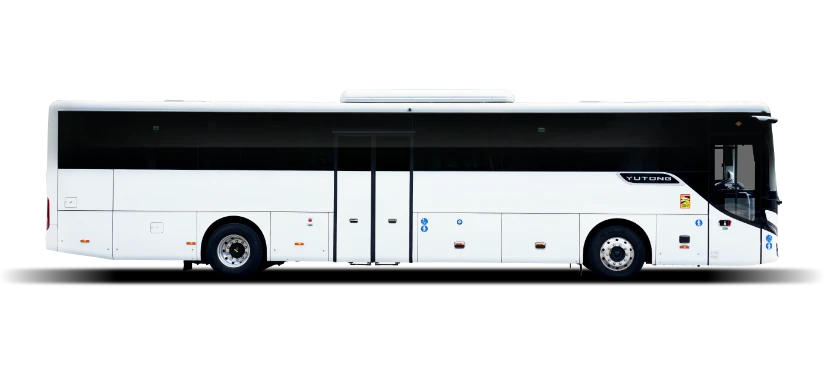
The IC13E provides a relevant example of an electric intercity vehicle whose specifications can be considered during this planning process. This 13-metre battery-electric bus offers up to 63 seats and traction battery options of 399 kWh or 465 kWh. Actual route suitability depends on operating conditions and usable energy, so fleet planners should combine vehicle specifications with measured journey data rather than treating nominal battery capacity as a fixed range prediction.
Turning Fleet Insights Into Better Maintenance Decisions
Energy data can also support vehicle maintenance. Changes in consumption, recurring fault alerts, or unusual operating temperatures may indicate that a component requires inspection. Such signals do not independently establish the cause of a problem, but they can help maintenance teams decide which vehicles need closer attention.
Battery condition is particularly important in electric fleet management. Operators can monitor available battery information, charging behavior, temperature readings, and diagnostic alerts where the vehicle system provides them. Consistent records help identify changes over time, while qualified technicians must still use appropriate diagnostic procedures to assess battery and high-voltage system condition.
Data security and system integration deserve attention as well. Connected fleets may transmit location records, vehicle diagnostics, and operational information through digital platforms. Access permissions, secure communication, software maintenance, and clear data-retention policies help protect these records. Fleet systems should also be compatible with existing dispatch and maintenance workflows, otherwise useful information may remain fragmented across separate applications.
Conclusion
Telematics creates value when vehicle information becomes part of everyday fleet decisions rather than simply another set of digital reports. By connecting energy consumption with driving behavior, route conditions, charging schedules, and maintenance records, operators can identify inefficiencies and make better use of available resources.
Yutong Bus participates in the development of electric public transport solutions, while connected data systems offer operators another means of understanding how each EV coach performs in service. Over time, consistent monitoring and informed adjustments can support more predictable energy use, vehicle availability, and intercity fleet operations.